COMMENTARY


Commentary


Commentary

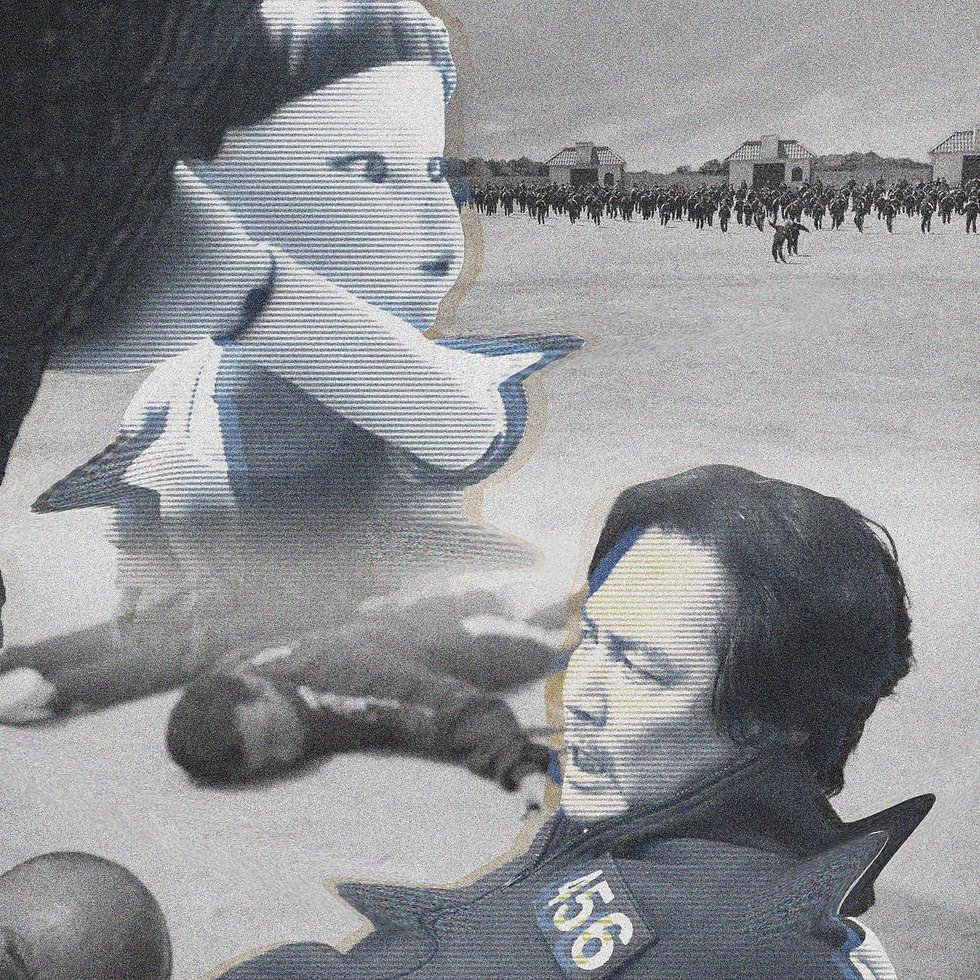


INTRO. The punishing economic reality suffered by the many at the hands of the few in our dystopian age of inequality is cinematically represented in its most iconic form through the survival competition as reality show, as epitomized by the massive global popularity of SQUID GAME and THE HUNGER GAMES. Such works critique the cruel and exploitative nature of shows like Survivor that sell a neoliberal ideology of life as a winner-takes-all, zero-sum game. Moreover, the ruthless competition is rigged by the rich to divide and pit the poor against themselves.
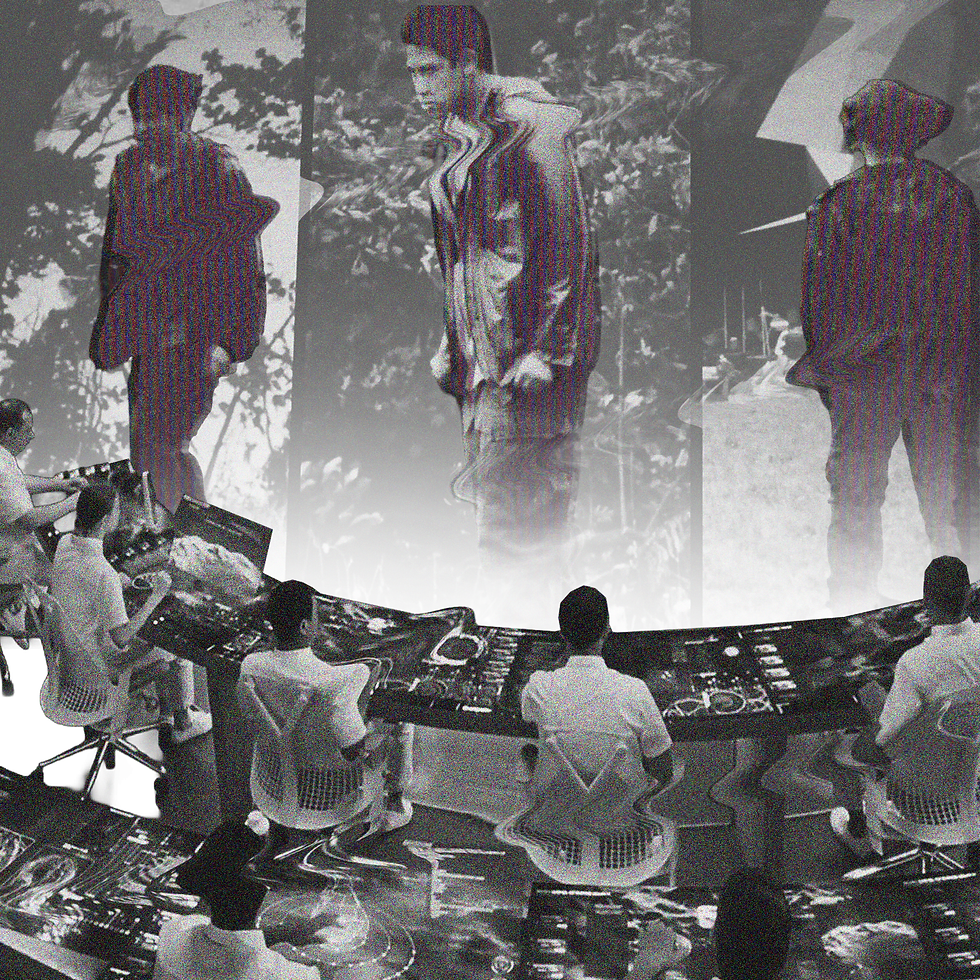


1. Beyond the survival competition as reality show or games where the rich hunt the poor for sport, other significant dystopian scenarios set in the future or near future share with those genres a similar emphasis on how the day-to-day lived reality of the poor is in fact an artificial and elaborate construction (the proverbial “matrix”) engineered or manipulated by the rich through its technological resources as a simulation. The asymmetry in power between those who own the system and those who live under it is stark and absolute.


2. Capitalism in its unbound form overwhelms democracy: the political process as a casualty is front and center in nightmarish reflections of our neoliberal dystopia. How majority rule becomes a strategic exercise in realpolitik and a form of tyranny that maintains the status quo is part of SQUID GAME’s critique and a reminder of how voting was twisted as a weapon integral to reality shows like Survivor. As the peaceful transfer of power threatens to be a concept increasingly fragile in practice, cinematic visions of civil war and violent overthrow proliferate.


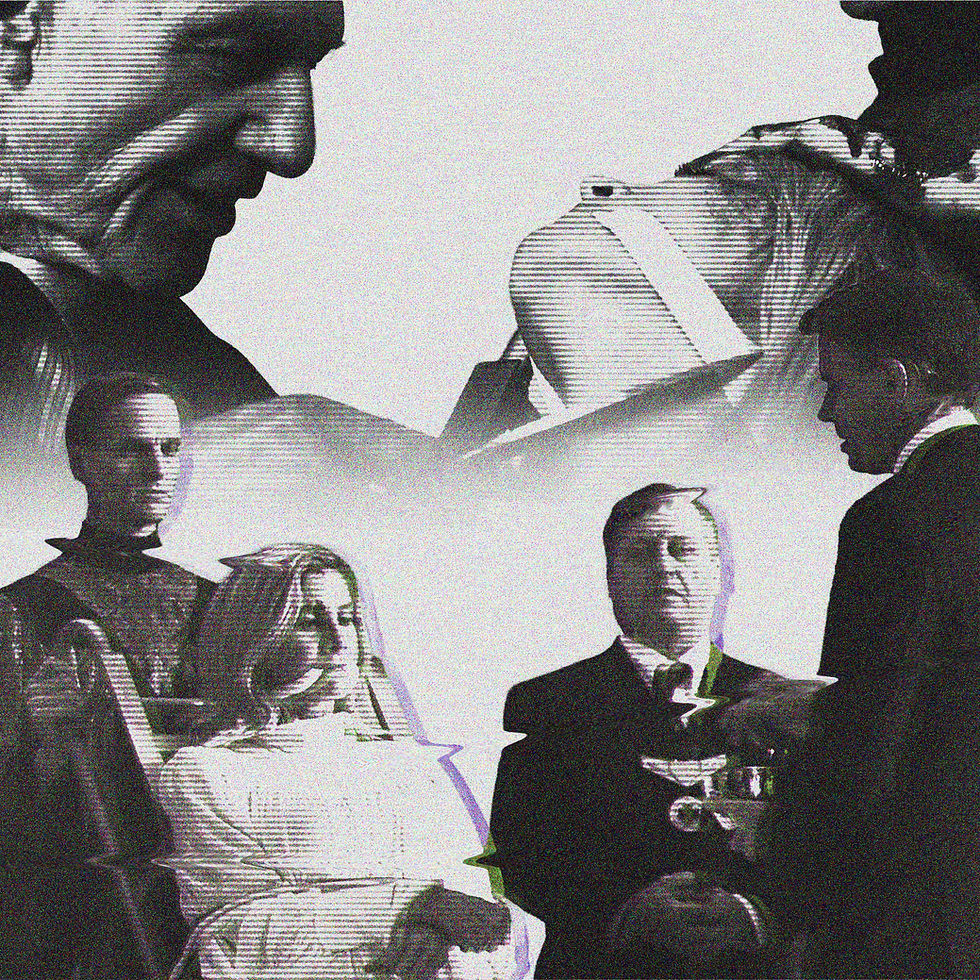

3. Liberal cinematic nightmares of a far-right populist takeover hold up a mirror to the beliefs, illusions, and prejudices of the Democratic establishment that left it blindsided by and still in denial about Trump’s ostensibly shocking electoral victories in 2016 and 2024. While uncannily anticipating the January 6 assault on the US Capitol, films like THE PURGE: ELECTION YEAR imagine a good vs. evil struggle between the Democrats and the Republicans where only the former plays fair, and the paragon of moral virtue is embodied by Hillary Clinton.


4. Hillary Clinton as the poster child of the centrist New Democrats who fatally paper over class concerns while parading identity politics to brand themselves apart from the Republicans in the culture wars is the hagiographic figure haunting such liberal dystopian fantasies as CIVIL WAR, pitting a multicultural group of journalists (The New York Times as “free press”) led by a tough-as-nails exemplar of girl power as they are terrorized by an assortment of redneck hick “deplorables.” Meanwhile, filmmakers from abroad expose America’s mask of liberal democracy as the true face of capitalism.


5. A despairing skepticism of the possibility of political change -- despite attempts at the violent overthrow of the existing order -- haunts the dystopian imagination in our age of inequality, where elite decision makers in positions of authority, whether in the establishment or as part of the opposition, are seen as corrupted by a ruthless, jungle-like environment in which the ends justifies the means, and the lives of the powerless are strategically manipulated and expendable as inevitable sacrifices for the gains of those at the top, regardless of ideological stripe.


6. Remarkably, the films suggest a psychological impasse where the master and slave -- oppressor and oppressed, tyrant and would-be liberator -- are two sides of the same coin, becoming intertwined in a mutually-dependent struggle that paradoxically keeps the game going, a system whose beauty depends on its misery, without which it cannot function structurally, and might even be threatened existentially. This “either-or” dilemma is presented to a potentially rebellious younger protagonist by a parental authority figure or guardian: is the setup to be inherited, or the father to be killed?


7. Rebellion or revolution is easier said than done: how else to reckon with the signal failure of two of the decade’s most anticipated sequels -- to JOKER and SQUID GAME -- to provide their audience with the expected catharsis in the form of a wish-fulfillment fantasy to “kill the rich” and hit back at the system? Instead, the films truthfully provided sobering reality checks that respectively questioned the human costs of a vigilante killing spree and the odds of an armed insurrection succeeding against a system and infrastructure of vastly superior resources.


8. The dilemma facing the hero of dystopian films like SNOWPIERCER or THE HUNGER GAMES is whether to take his turn in functioning for and perpetuating a system whose logic when laid bare is horrific, but whose alternative might be the destruction of that civilization whose infrastructure cannot be easily dismantled or modified. In both cases, the protagonist chooses instinctually to reject rather than to accept the moral compromise of the status quo, much as JOKER’s antihero ultimately decides out of conscience that the world can burn, but not on account of him.




9. BACURAU and OKJA are exceptions to the rule in depicting forms of resistance with a mixture of hope and desire. Drawing on the traditions of both Hollywood B films and indigenous folklore celebrated in Cinema Novo, BACURAU features rural bandits as legendary heroes aiding the local townsfolk against foreign alien intruders with their weaponized drones as in a Western, ultimately defeating the “VIPs” who hunt locals for sport. OKJA’s positive depiction of its rebels is more circumspect: activists can only chip away at the operations of a massive corporate conglomerate.


10. Whether in triumph or tragedy, the dystopian films of our age of inequality look back nostalgically at what was targeted systematically for destruction by the neoliberal remaking of the world: the people in a collective sense constituting a community, the idea of a neighborhood with its shared public spaces, a sense of solidarity with others not as competing individuals, and crucially the feeling of empathy for the plight of others. The reawakening of our desire for such notions seemingly lost must be marshaled for progressive change, lest they be lost to regressive tribalism.


6. Stories of single moms resorting to sex work to provide for their kids are emblematic of the difficulties in parenting under an economically punishing ideology that moreover atomizes the family and stigmatizes the collective in the name of individual freedom and enterprise. According to neoliberalism, aging working-class women who lose their homes or are terminally ill needing costly medical care hit the road out of choice rather than necessity. Meanwhile, the traditional wife and mother who stays at home has become an anachronism for economic and ideological reasons.


7. Stories of single moms resorting to sex work to provide for their kids are emblematic of the difficulties in parenting under an economically punishing ideology that moreover atomizes the family and stigmatizes the collective in the name of individual freedom and enterprise. According to neoliberalism, aging working-class women who lose their homes or are terminally ill needing costly medical care hit the road out of choice rather than necessity. Meanwhile, the traditional wife and mother who stays at home has become an anachronism for economic and ideological reasons.


CODA. Stories of single moms resorting to sex work to provide for their kids are emblematic of the difficulties in parenting under an economically punishing ideology that moreover atomizes the family and stigmatizes the collective in the name of individual freedom and enterprise. According to neoliberalism, aging working-class women who lose their homes or are terminally ill needing costly medical care hit the road out of choice rather than necessity. Meanwhile, the traditional wife and mother who stays at home has become an anachronism for economic and ideological reasons.


8. Stories of single moms resorting to sex work to provide for their kids are emblematic of the difficulties in parenting under an economically punishing ideology that moreover atomizes the family and stigmatizes the collective in the name of individual freedom and enterprise. According to neoliberalism, aging working-class women who lose their homes or are terminally ill needing costly medical care hit the road out of choice rather than necessity. Meanwhile, the traditional wife and mother who stays at home has become an anachronism for economic and ideological reasons.
INTRO. The punishing economic reality suffered by the many at the hands of the few in our dystopian age of inequality is cinematically represented in its most iconic form through the survival competition as reality show, as epitomized by the massive global popularity of SQUID GAME and THE HUNGER GAMES. Such works critique the cruel and exploitative nature of shows like Survivor that sell a neoliberal ideology of life as a winner-takes-all, zero-sum game. Moreover, the ruthless competition is rigged by the rich to divide and pit the poor against themselves.


1. Beyond the survival competition as reality show or games where the rich hunt the poor for sport, other significant dystopian scenarios set in the future or near future share with those genres a similar emphasis on how the day-to-day lived reality of the poor is in fact an artificial and elaborate construction (the proverbial “matrix”) engineered or manipulated by the rich through its technological resources as a simulation. The asymmetry in power between those who own the system and those who live under it is stark and absolute.

2. Capitalism in its unbound form overwhelms democracy: the political process as a casualty is front and center in nightmarish reflections of our neoliberal dystopia. How majority rule becomes a strategic exercise in realpolitik and a form of tyranny that maintains the status quo is part of SQUID GAME’s critique and a reminder of how voting was twisted as a weapon integral to reality shows like Survivor. As the peaceful transfer of power threatens to be a concept increasingly fragile in practice, cinematic visions of civil war and violent overthrow proliferate.

3. Liberal cinematic nightmares of a far-right populist takeover hold up a mirror to the beliefs, illusions, and prejudices of the Democratic establishment that left it blindsided by and still in denial about Trump’s ostensibly shocking electoral victories in 2016 and 2024. While uncannily anticipating the January 6 assault on the US Capitol, films like THE PURGE: ELECTION YEAR imagine a good vs. evil struggle between the Democrats and the Republicans where only the former plays fair, and the paragon of moral virtue is embodied by Hillary Clinton.
4. Hillary Clinton as the poster child of the centrist New Democrats who fatally paper over class concerns while parading identity politics to brand themselves apart from the Republicans in the culture wars is the hagiographic figure haunting such liberal dystopian fantasies as CIVIL WAR, pitting a multicultural group of journalists (The New York Times as “free press”) led by a tough-as-nails exemplar of girl power as they are terrorized by an assortment of redneck hick “deplorables.” Meanwhile, filmmakers from abroad expose America’s mask of liberal democracy as the true face of capitalism.
5. A despairing skepticism of the possibility of political change -- despite attempts at the violent overthrow of the existing order -- haunts the dystopian imagination in our age of inequality, where elite decision makers in positions of authority, whether in the establishment or as part of the opposition, are seen as corrupted by a ruthless, jungle-like environment in which the ends justifies the means, and the lives of the powerless are strategically manipulated and expendable as inevitable sacrifices for the gains of those at the top, regardless of ideological stripe.

6. Remarkably, the films suggest a psychological impasse where the master and slave -- oppressor and oppressed, tyrant and would-be liberator -- are two sides of the same coin, becoming intertwined in a mutually-dependent struggle that paradoxically keeps the game going, a system whose beauty depends on its misery, without which it cannot function structurally, and might even be threatened existentially. This “either-or” dilemma is presented to a potentially rebellious younger protagonist by a parental authority figure or guardian: is the setup to be inherited, or the father to be killed?


7. Rebellion or revolution is easier said than done: how else to reckon with the signal failure of two of the decade’s most anticipated sequels -- to JOKER and SQUID GAME -- to provide their audience with the expected catharsis in the form of a wish-fulfillment fantasy to “kill the rich” and hit back at the system? Instead, the films truthfully provided sobering reality checks that respectively questioned the human costs of a vigilante killing spree and the odds of an armed insurrection succeeding against a system and infrastructure of vastly superior resources.

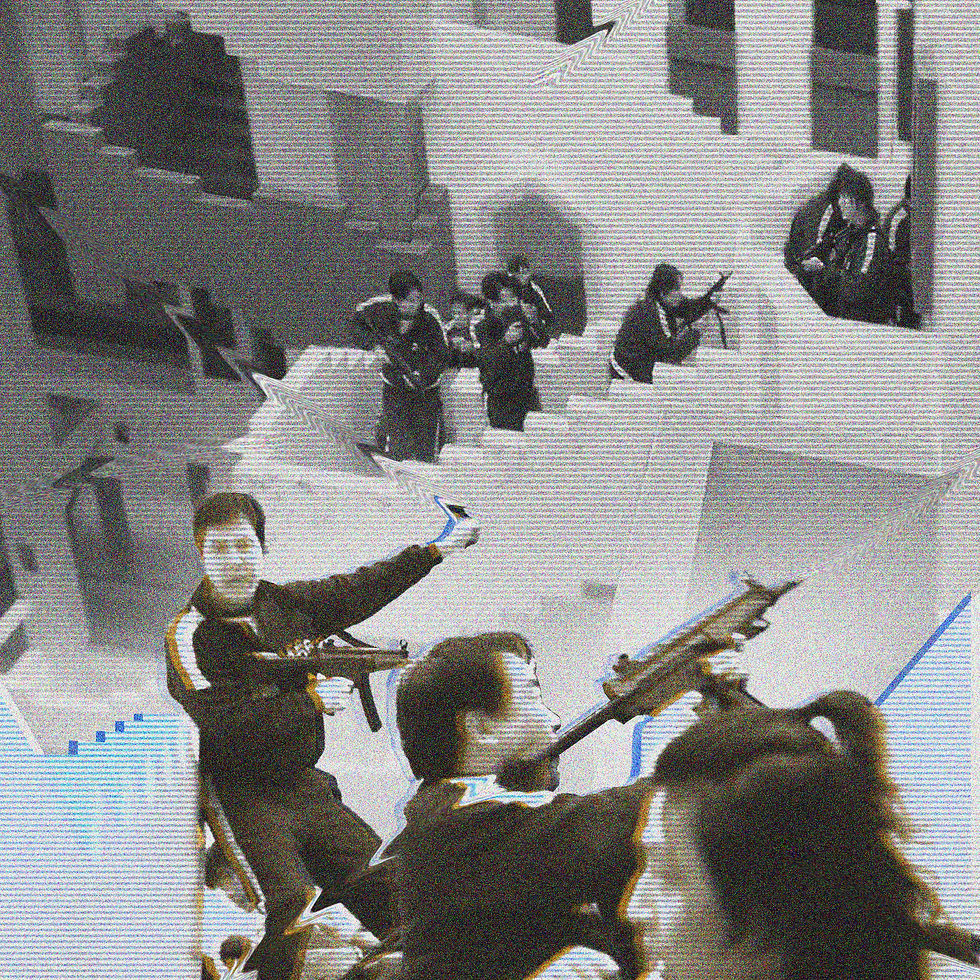

8. The dilemma facing the hero of dystopian films like SNOWPIERCER or THE HUNGER GAMES is whether to take his turn in functioning for and perpetuating a system whose logic when laid bare is horrific, but whose alternative might be the destruction of that civilization whose infrastructure cannot be easily dismantled or modified. In both cases, the protagonist chooses instinctually to reject rather than to accept the moral compromise of the status quo, much as JOKER’s antihero ultimately decides out of conscience that the world can burn, but not on account of him.
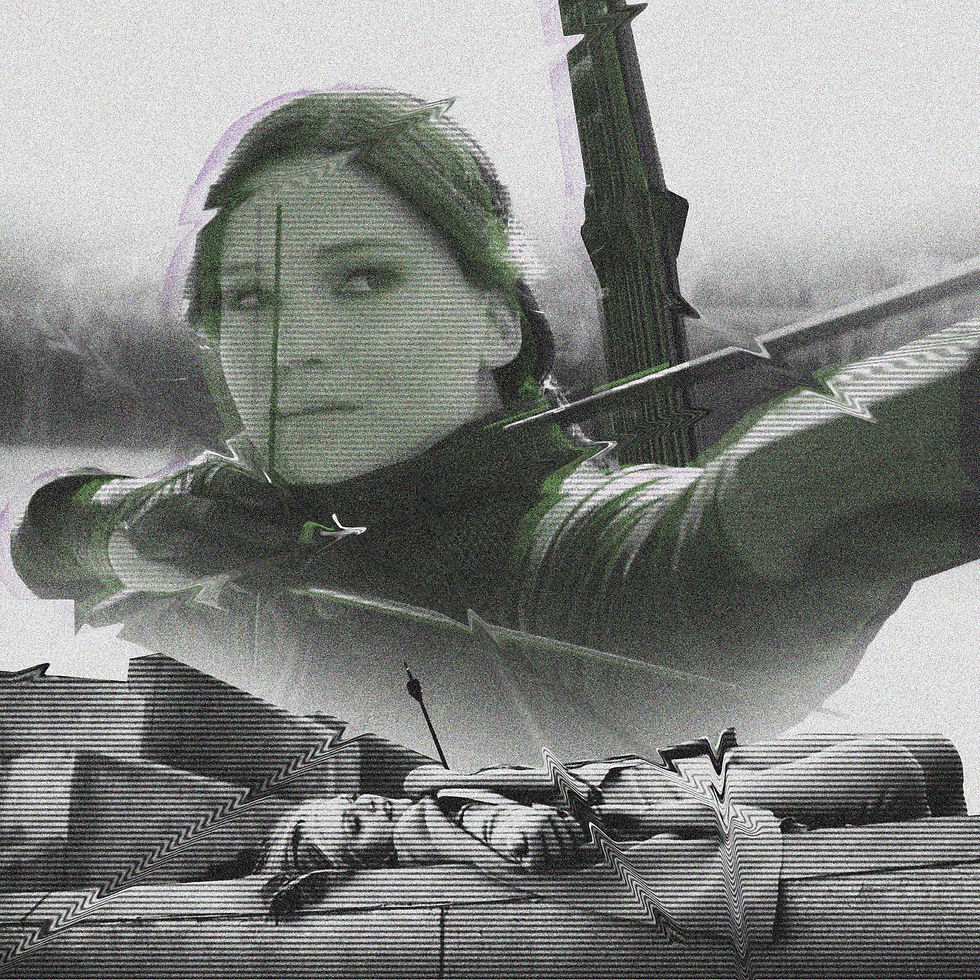
9. BACURAU and OKJA are exceptions to the rule in depicting forms of resistance with a mixture of hope and desire. Drawing on the traditions of both Hollywood B films and indigenous folklore celebrated in Cinema Novo, BACURAU features rural bandits as legendary heroes aiding the local townsfolk against foreign alien intruders with their weaponized drones as in a Western, ultimately defeating the “VIPs” who hunt locals for sport. OKJA’s positive depiction of its rebels is more circumspect: activists can only chip away at the operations of a massive corporate conglomerate.

10. Whether in triumph or tragedy, the dystopian films of our age of inequality look back nostalgically at what was targeted systematically for destruction by the neoliberal remaking of the world: the people in a collective sense constituting a community, the idea of a neighborhood with its shared public spaces, a sense of solidarity with others not as competing individuals, and crucially the feeling of empathy for the plight of others. The reawakening of our desire for such notions seemingly lost must be marshaled for progressive change, lest they be lost to regressive tribalism.
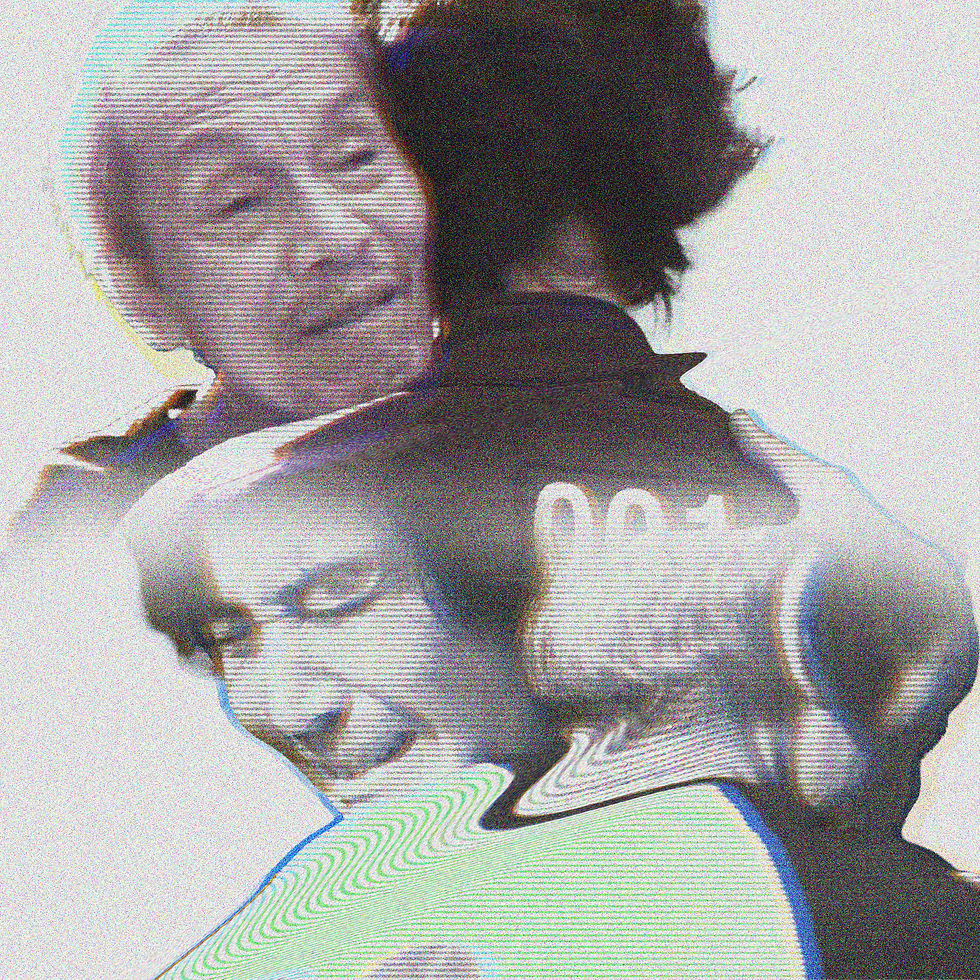

CODA. The incel romance or its variants typically ends violently with the crushing of the fantasy and the loss of the object of desire through death or disappearance. A vengeful act of killing is usually involved on the part of the incel to punish those deemed as the threat responsible for the erasure of his fantasy. In some cases, narrative ambiguity allows for an open ending where aspects of the incel’s fantasy as well as the subsequent killing it provoked are left unconfirmed as to whether they were imagined or truly took place.


1. Globalization’s hollowing out of the working class is reflected in the depiction of aging blue collar fathers whose physical labor involves (pointedly) the construction of homes. Faced with work-related injuries that variously leave them unemployed or dealing with chronic medical conditions that require prohibitively expensive treatments, these characters struggle with neoliberal corporate insurance policies and state welfare directives that make it hard for them to claim legitimate benefits, even as they come to terms with bodies that have become frail that were once robust.


INTRO. The punishing economic reality suffered by the many at the hands of the few in our dystopian age of inequality is cinematically represented in its most iconic form through the survival competition as reality show, as epitomized by the massive global popularity of SQUID GAME and THE HUNGER GAMES. Such works critique the cruel and exploitative nature of shows like Survivor that sell a neoliberal ideology of life as a winner-takes-all, zero-sum game. Moreover, the ruthless competition is rigged by the rich to divide and pit the poor against themselves.
1. Beyond the survival competition as reality show or games where the rich hunt the poor for sport, other significant dystopian scenarios set in the future or near future share with those genres a similar emphasis on how the day-to-day lived reality of the poor is in fact an artificial and elaborate construction (the proverbial “matrix”) engineered or manipulated by the rich through its technological resources as a simulation. The asymmetry in power between those who own the system and those who live under it is stark and absolute.
2. Capitalism in its unbound form overwhelms democracy: the political process as a casualty is front and center in nightmarish reflections of our neoliberal dystopia. How majority rule becomes a strategic exercise in realpolitik and a form of tyranny that maintains the status quo is part of SQUID GAME’s critique and a reminder of how voting was twisted as a weapon integral to reality shows like Survivor. As the peaceful transfer of power threatens to be a concept increasingly fragile in practice, cinematic visions of civil war and violent overthrow proliferate.
3. Liberal cinematic nightmares of a far-right populist takeover hold up a mirror to the beliefs, illusions, and prejudices of the Democratic establishment that left it blindsided by and still in denial about Trump’s ostensibly shocking electoral victories in 2016 and 2024. While uncannily anticipating the January 6 assault on the US Capitol, films like THE PURGE: ELECTION YEAR imagine a good vs. evil struggle between the Democrats and the Republicans where only the former plays fair, and the paragon of moral virtue is embodied by Hillary Clinton.
4. Hillary Clinton as the poster child of the centrist New Democrats who fatally paper over class concerns while parading identity politics to brand themselves apart from the Republicans in the culture wars is the hagiographic figure haunting such liberal dystopian fantasies as CIVIL WAR, pitting a multicultural group of journalists (The New York Times as “free press”) led by a tough-as-nails exemplar of girl power as they are terrorized by an assortment of redneck hick “deplorables.” Meanwhile, filmmakers from abroad expose America’s mask of liberal democracy as the true face of capitalism.
5. A despairing skepticism of the possibility of political change -- despite attempts at the violent overthrow of the existing order -- haunts the dystopian imagination in our age of inequality, where elite decision makers in positions of authority, whether in the establishment or as part of the opposition, are seen as corrupted by a ruthless, jungle-like environment in which the ends justifies the means, and the lives of the powerless are strategically manipulated and expendable as inevitable sacrifices for the gains of those at the top, regardless of ideological stripe.
6. Remarkably, the films suggest a psychological impasse where the master and slave -- oppressor and oppressed, tyrant and would-be liberator -- are two sides of the same coin, becoming intertwined in a mutually-dependent struggle that paradoxically keeps the game going, a system whose beauty depends on its misery, without which it cannot function structurally, and might even be threatened existentially. This “either-or” dilemma is presented to a potentially rebellious younger protagonist by a parental authority figure or guardian: is the setup to be inherited, or the father to be killed?
7. Rebellion or revolution is easier said than done: how else to reckon with the signal failure of two of the decade’s most anticipated sequels -- to JOKER and SQUID GAME -- to provide their audience with the expected catharsis in the form of a wish-fulfillment fantasy to “kill the rich” and hit back at the system? Instead, the films truthfully provided sobering reality checks that respectively questioned the human costs of a vigilante killing spree and the odds of an armed insurrection succeeding against a system and infrastructure of vastly superior resources.

8. The dilemma facing the hero of dystopian films like SNOWPIERCER or THE HUNGER GAMES is whether to take his turn in functioning for and perpetuating a system whose logic when laid bare is horrific, but whose alternative might be the destruction of that civilization whose infrastructure cannot be easily dismantled or modified. In both cases, the protagonist chooses instinctually to reject rather than to accept the moral compromise of the status quo, much as JOKER’s antihero ultimately decides out of conscience that the world can burn, but not on account of him.
9. BACURAU and OKJA are exceptions to the rule in depicting forms of resistance with a mixture of hope and desire. Drawing on the traditions of both Hollywood B films and indigenous folklore celebrated in Cinema Novo, BACURAU features rural bandits as legendary heroes aiding the local townsfolk against foreign alien intruders with their weaponized drones as in a Western, ultimately defeating the “VIPs” who hunt locals for sport. OKJA’s positive depiction of its rebels is more circumspect: activists can only chip away at the operations of a massive corporate conglomerate.